How much custom software costs in Spain (2026)
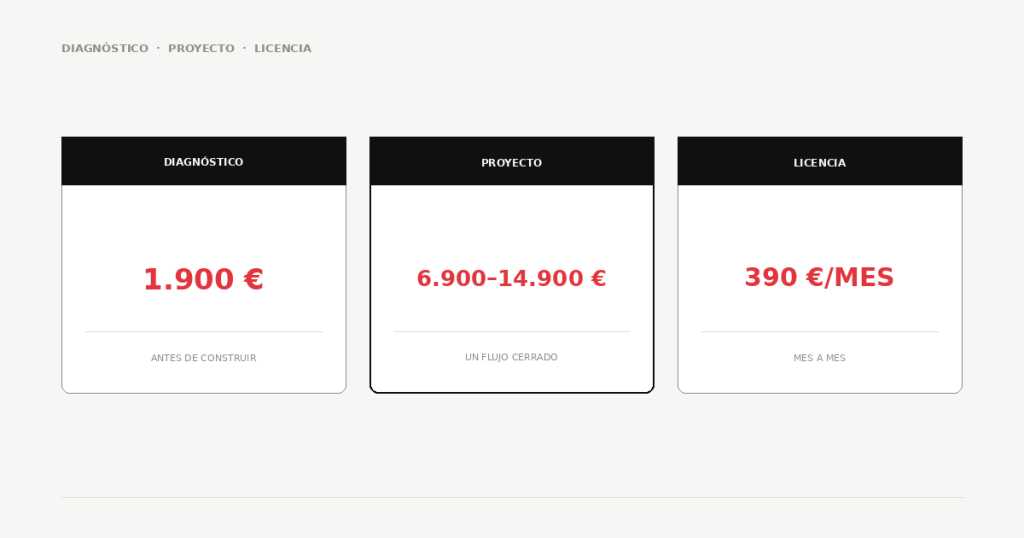
Option D in plain numbers: €1,900 Diagnosis, one flow €6,900–14,900, licence from €390/mo. Market vs Wallion table, TCO example, fixed-quote checklist.
When an MVP is worth building
An MVP is for selling or learning with real users. It is not a half-built internal tool and not a prototype you throw away. When yes, when no, and what to sign.
MVP or internal tool
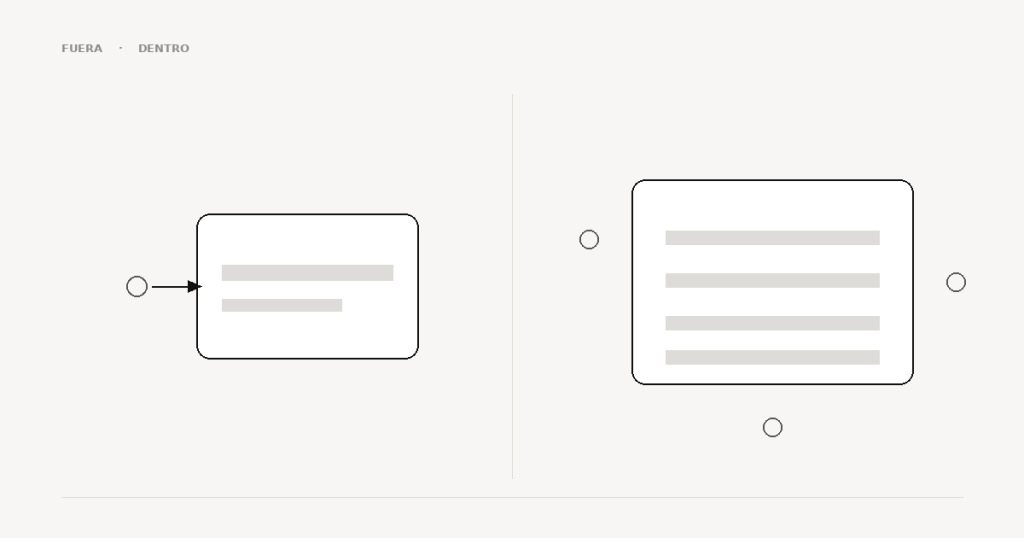
The same team can build both. They are not the same commission. How not to call something an MVP when only your people will use it — and which price band applies.
Fixed price or hourly
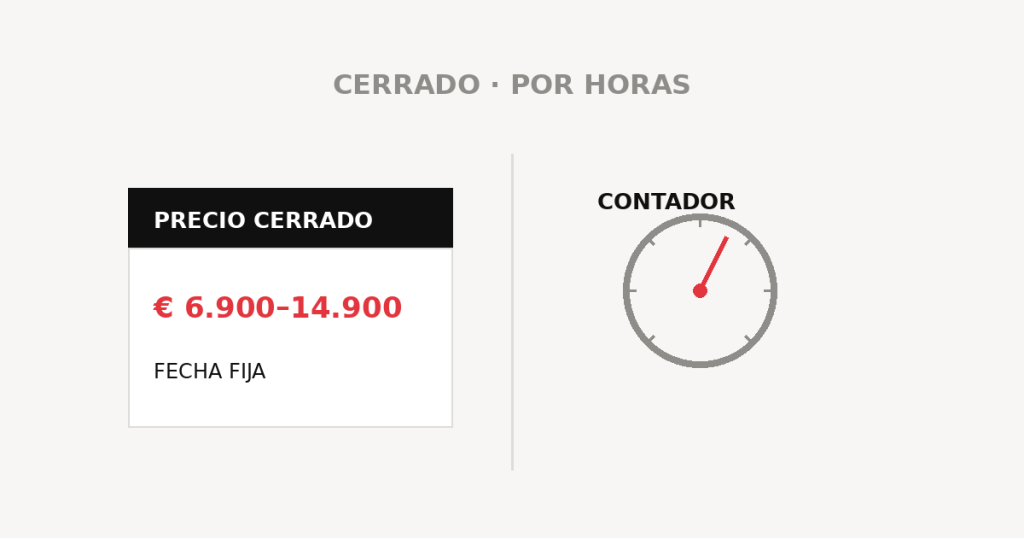
Billing by the hour and closing a scope are not the same risk. Who pays when scope moves — and how to choose without a contract that never ends.
What is a studio MVP
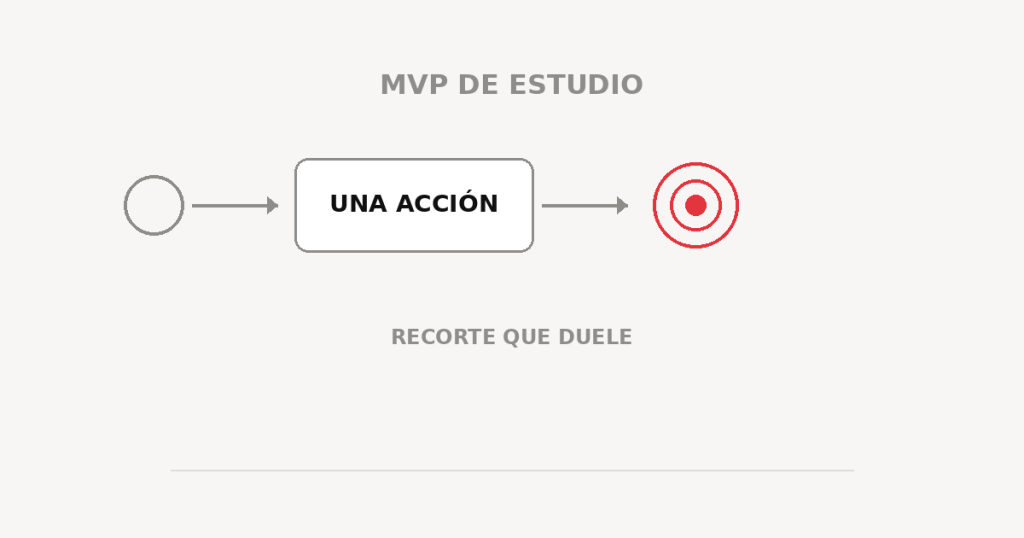
A studio MVP is the smallest slice a stranger can finish — with written scope, a date, and someone on the other end. What it is, what it is not, and what it actually costs.
What AI automation for SMEs is
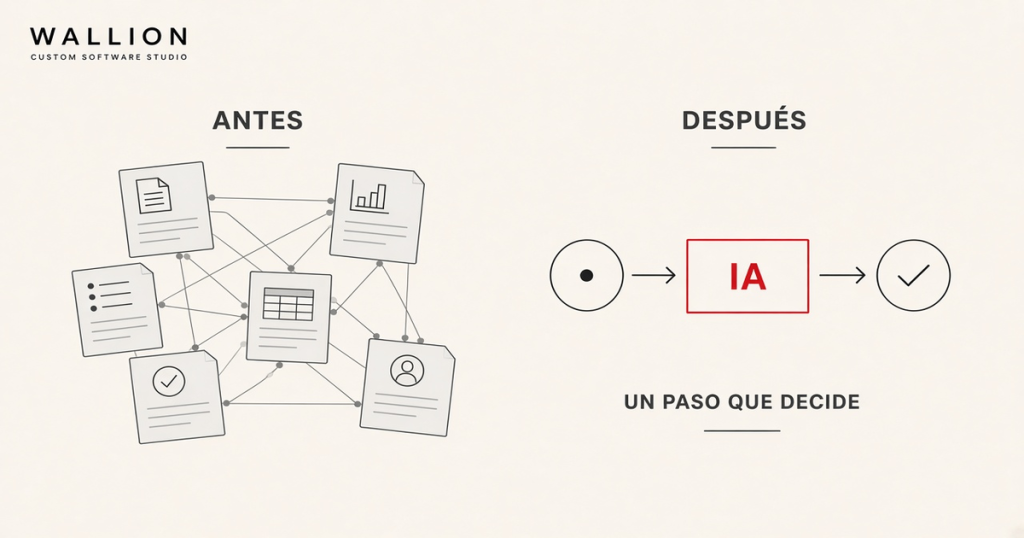
AI automation for an SME is removing a stable step and connecting tools — not “adding intelligence” on top of a mess. When yes, when not, and what it costs.
Who owns the code
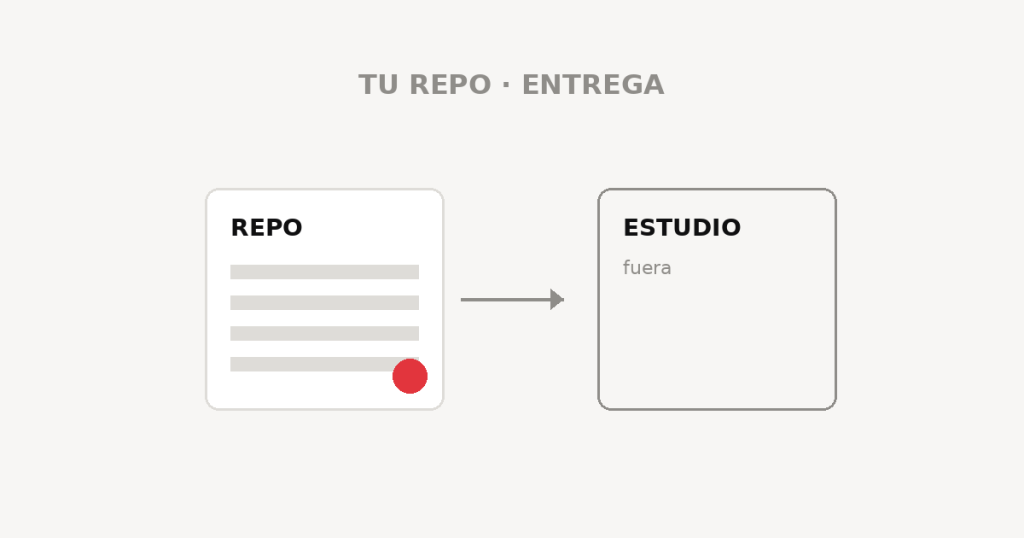
In custom software, “you own the code” rarely means one thing. What to ask before you sign — and what Wallion actually offers.
Custom software or off-the-shelf
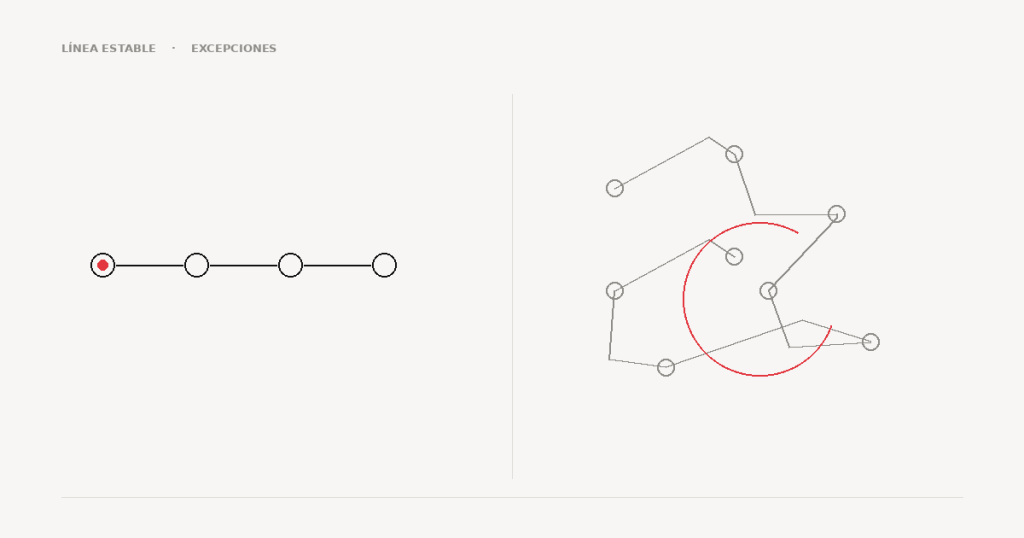
Automating an SME flow is worth it only if the step is stable, the data is clear, and someone sees the failure. It is not a project to "add AI".
Replacing the spreadsheet
Four signs a spreadsheet no longer survives the month, and what to do before you commission an internal tool.
Integrate what you have, or build
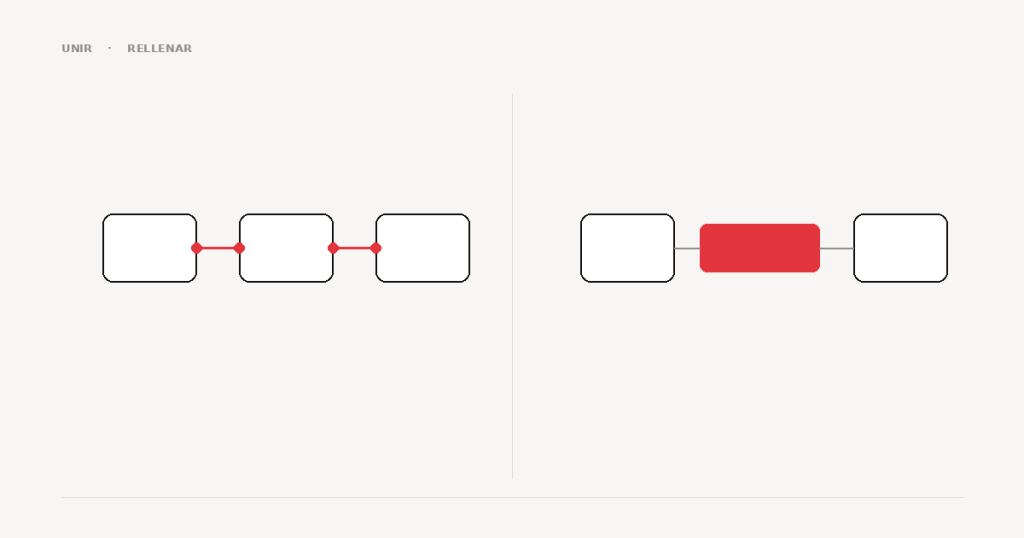
When it is enough to connect the tools you already pay for, and when the gap needs a new piece — without opening five projects at once.