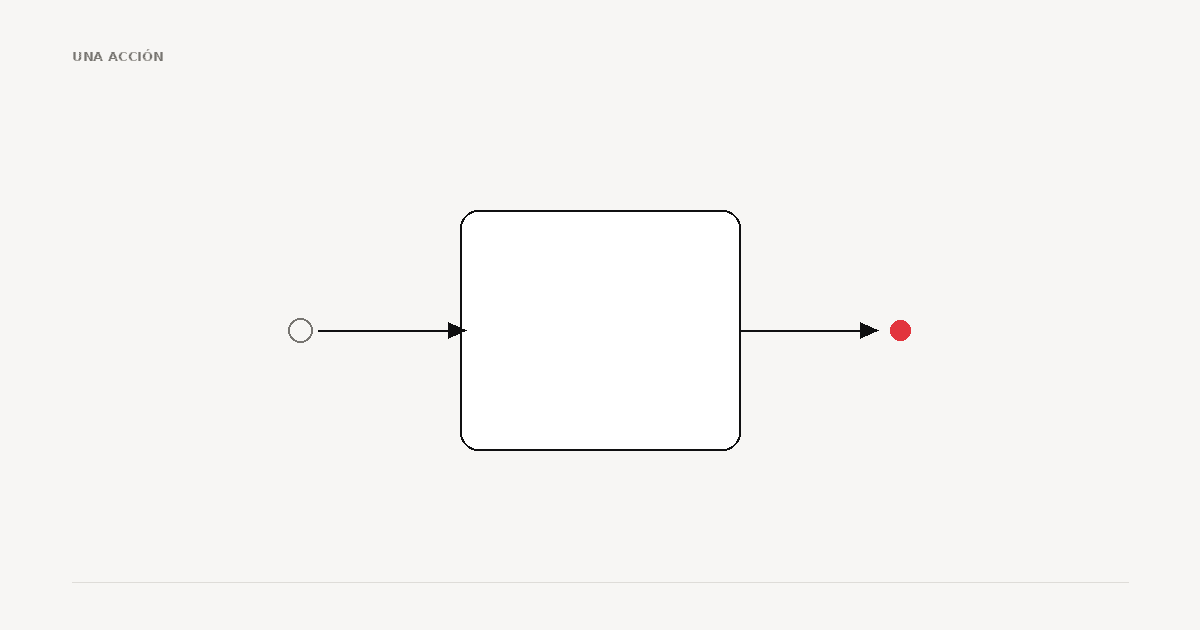
An MVP is worth building when you have a stranger, one action, and a signal you can write before the first line of code. Miss any of the three and you are not commissioning an MVP — you are commissioning something else, or you are not ready yet.
This page decides. It does not define: that lives at what is a studio MVP. It does not separate tool from product: that border is MVP or internal tool. If the answer is yes, the commission lives at startup MVP, inside custom software. Wallion does not open a root /mvp ranking URL.
The short answer
Yes when: (1) the user is outside — customer, venue, workshop, buyer who does not invoice you; (2) the action fits in one sentence without “and also”; (3) someone outside will use it the week it ships; (4) you can list what stays out without a fight; (5) the signal (returned / paid / asked for the next slice) is written before the first commit.
No when: the user is only the team; you want to replace the whole month; nobody will touch it; you cannot say what stays out; the “MVP” is a backlog wearing a minimum label; or you need staffing and call it a product.
If the line is “María in admin closes the month”, read the tool guide — not this one. If the line is “a venue books and I see whether they return”, stay here.
When it is worth it (concrete signals)
There is a bet you can lose soon. One buyer, one use, a yes or no in weeks — not a quarter of slides. Learning or sales has to fit the current quarter’s calendar, not “when the product is ready”.
The scope fits in one sentence. “A restaurant books a table.” “A workshop sends a quote.” “A buyer places and pays the first order.” If the sentence contains “and also”, it is not the minimum yet: it is an unprioritised product.
Someone outside will use it the week it ships. Family and cofounders do not count. A customer who already said they will try it does. Without that someone, you build theatre: there is a demo, there is no signal.
You can write what stays out. Without a fight in the meeting. Dream admin, five integrations, app on three platforms: out. If the cut does not hurt, you did not cut.
The signal is written first. They returned. They paid. They asked for the next slice without being sold it. One of those three (or yours, with the same rigour). Without a prior test, the MVP only proves that you built.
When it is not (and what to ask for instead)
| Situation | Why it is not an MVP | Ask for instead |
|---|---|---|
| Only the team uses it / closes the month | No external market | Internal tool / one flow |
| “We must digitise” with no scope sentence | No fail-able bet | Diagnosis — or wait |
| Prototype for the deck / investors | Nobody touches it the week it “ships” | Do not call it an MVP |
| Replace the company’s whole month | Several projects or a large tool | One flow first |
| Living backlog, you need hands | Staffing, not a minimum product | Say it: capacity, not “MVP” |
| Landing with a form | The stranger does not finish an action | Marketing, not product |
If you sit in the left column and still ask for “an MVP”, you misname it — and you misprice it if you compare the wrong band.
What is in and what is out (the cut)
In: one action, one outside user, a usable happy path end to end, data you can read afterwards (who, when, whether they returned or paid), a studio owner of “done”.
Out: the dream admin panel; the five integrations; a brand refresh; three platforms; “everything the team will also need”. That is later, if the first slice gets used.
The cut hurts outward. If nobody at the table loses a screen they wanted, you did not cut — you postponed the fight to sprint three.
How you know it worked
Not “we liked the demo”. Did someone come back? Pay? Ask for the next slice on their own? One of those three — or the signal you wrote before.
If the test is invented afterwards (“did they like it?”), the MVP only shows that you spent. If the stranger cannot finish without the founder acting as WhatsApp glue, you shipped a draft with hosting — not an MVP.
After a yes. If the stranger came back, the next slice is written the same way: one sentence, one cut, one deadline. If they did not, you stop. You do not “expand the MVP”. Expanding without a signal is the full product wearing a minimum label.
Failure modes
“MVP” = cheap product. You ask for five screens, three platforms and the dream admin “but minimum”. The cut does not hurt. It was not an MVP: it was an unprioritised product.
Eternal PoC. There is a prototype. It gets shown. It gets shelved. Nobody touches it. You learn nothing. Do not call it an MVP to feel productive.
Tool with a product name. Only the team uses it. You measure month-end. You call it an MVP because it sounds like a startup. Misnamed — and mispriced if you treat the tool band as the MVP figure (or the other way round).
Signal invented afterwards. You build first. Then “did they like it?”. Without a written test beforehand, there is no decision: there is spend.
Staffing in disguise. Living backlog, you need hands, you ask for “an MVP”. Say it. Do not mix tables or prices.
Comparing with Mobility, Glowapp or Nummo. They are not Wallion products of this service. They are not a scope or price reference.
Mixing definition and decision. This page does not replace what is a studio MVP. That one defines; this one decides.
Public prices (Option D — no invented figures)
Only the numbers on the site. The €6,900–14,900 band is not the price of an MVP.
- Diagnosis — €1,900. Written scope, prototype, fixed build quote. If you proceed, it is credited against the build.
- Build — €6,900–14,900. One internal tool / one flow after Diagnosis. Not the price of a large app, an MVP or staffing.
- MVP build: a written fixed price after Diagnosis — same model (scope + number + date), a different figure, not that band.
- Licence — from €390/month if Wallion keeps what it built running (hosting, security, regulatory and API changes, a ceiling of small changes, business-hours support — as published on the offer).
Apps, MVPs and staffing: Diagnosis → written fixed price → optional licence. Do not mix the tool band with the MVP figure. Offer: startup MVP. Hub: custom software.
What Wallion does (and when not to buy it)
Wallion is a custom-software studio in Barcelona. It builds MVPs at a written fixed price after Diagnosis (€1,900, credited if you proceed). MVP construction does not use the public internal-tool band. Licence, if kept running: from €390/month.
Model in one line: stranger, action, written signal; painful scope; closed number; date of “done”; someone on the other end when Monday fails.
Do not buy an MVP with Wallion when the user is only the team; when you cannot write what stays out; when nobody will touch it the week it ships; when you want to replace the whole month; or when you need staffing and call it a product. If on the call you say “this is a tool, not an MVP”, say it first. Geo: /en/software/barcelona.
Decision checklist (before you commission)
Tick each point. If any stays blank, do not sign “MVP”.
- Is there a stranger — or only the team?
- Does the action fit in one sentence without “and also”?
- Is the signal (returned / paid / asked for the next slice) written before you build?
- Will someone outside use it the week it ships — not only partners?
- Can you list what stays out without a fight?
- Are you measuring external use, or month-end close? (If the month → tool.)
- Are you comparing the €6,900–14,900 band (tool) or a written MVP fixed price?
- Are you asking for a Diagnosis with a scope sentence, or an ownerless pilot?
- Do you need a minimum product or hands on a backlog (staffing)?
- Is “done” that a stranger finishes the flow — or that you like the demo?
Without those answers, “MVP” is an adjective — not a commission. If the doubt is “MVP or tool?”, open MVP or internal tool before you sign.
Questions buyers actually ask
Is this the same as “ship fast and see”?
Same idea of a minimum with real users. Different commission: written scope, closed price, a date, a responsible studio — not an endless sprint with no owner of done.
When is it not worth it even if it “sounds like a startup”?
When only the team uses it, nobody touches it, or you cannot say what stays out. Definition: what is a studio MVP. Separation: MVP or internal tool.
Does the €6,900–14,900 band cover the MVP?
No. That band is one internal tool / one flow. The MVP is a written fixed price.
Is the €1,900 Diagnosis lost if we don’t proceed?
If you proceed, it is credited. If you don’t, you paid for a diagnosis with a prototype and a written fixed quote — not an empty deck.
What does the licence from €390/month include?
What the offer publishes: hosting, security, regulatory and API changes, a ceiling of small changes, business-hours support. Bigger changes: a fixed quote in days.
Barcelona only?
Studio based in Barcelona. Startups and SMEs in the city, the metro area and the rest of Spain. Geo: /en/software/barcelona.
Mobility, Glowapp or Nummo?
No. They are not Wallion products of this service.
Where do we commission if the answer is yes?
Startup MVP, under /en/software. This page decides; it does not sell a root /mvp ranking URL.
What this page is not
Not the definition (what is a studio MVP). Not the tool-vs-product split (MVP or internal tool). Not the offer (/en/software/mvp; hub /en/software). Option D only — no invented tariffs. Not Mobility, Glowapp or Nummo.
Thirty minutes
If the blocker is “is an MVP worth it, or are we inventing one?”, say so in the first conversation. Book a 30-minute call.